September 1, 2024
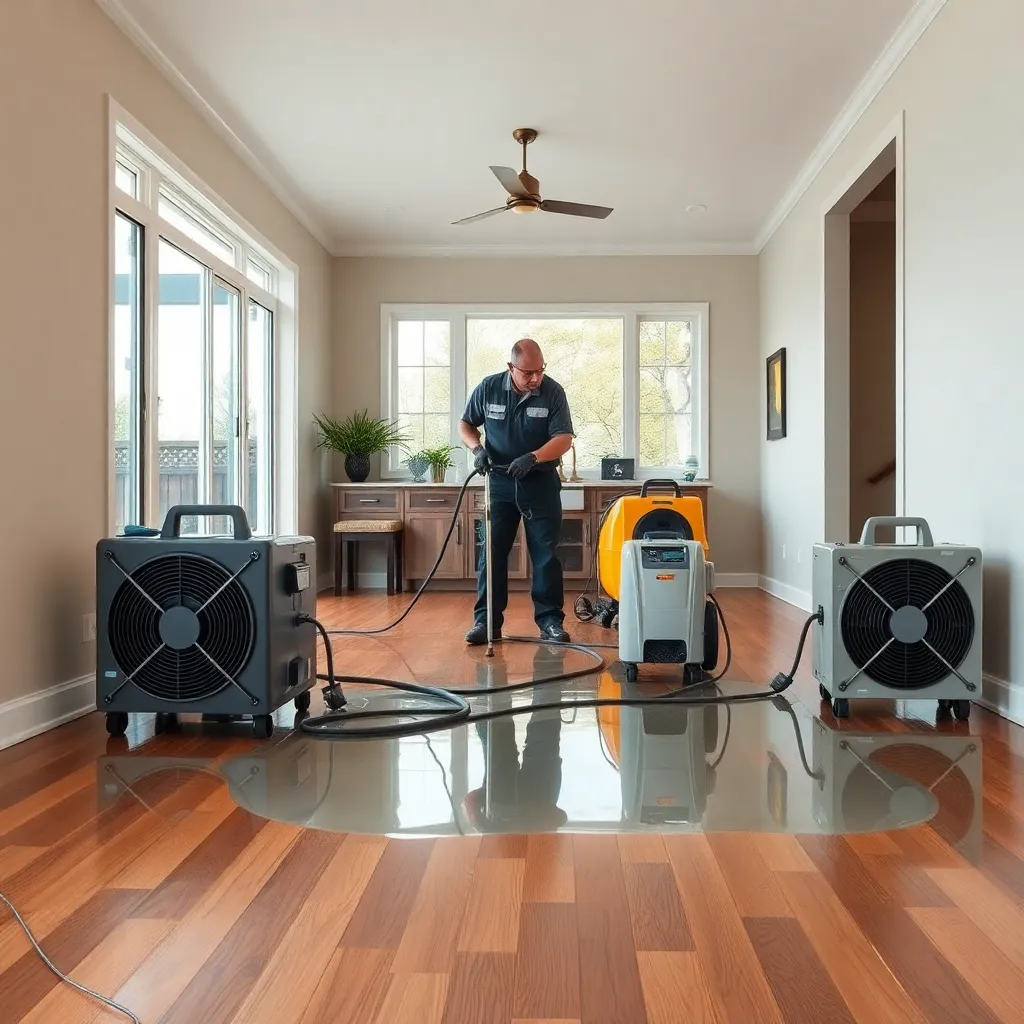
Experiencing a flood in your home can be overwhelming, especially when it comes to dealing with the aftermath. "Drying Out: How to Handle Flooded Floors Fast" is crucial for minimizing damage and restoring your living space. Whether caused by a storm or a plumbing mishap, fast action is necessary to preserve your floors and prevent further issues.
The first step in handling flooded floors is to assess the extent of the damage. Check if the water is from a clean source or if it might be contaminated. Knowing the type of water is vital for determining the appropriate cleaning and drying methods. It's also important to identify all affected areas, including those that might not be immediately visible, such as under carpets or behind baseboards.
Quickly evaluating the situation allows you to prioritize tasks effectively. If necessary, contacting a professional restoration company can provide a comprehensive assessment and ensure that nothing is overlooked.
After assessing the damage, it's time to start the drying process. Removing standing water is your next priority. Use a wet/dry vacuum to extract as much water as possible from carpets and hard surfaces. For larger volumes, consider renting a pump or hiring professional services.
Once the standing water is removed, it's essential to promote air circulation. Open windows and doors to allow fresh air to flow through the space. Utilize fans and dehumidifiers to reduce moisture levels quickly. These tools can speed up the drying process and help prevent mold growth.
Once your floors are dry, it's important to take steps to prevent future flooding. Inspect your home for vulnerabilities, such as poor drainage or leaks, and address them promptly. Consider installing sump pumps or backflow valves if your home is in a flood-prone area. Regular maintenance of plumbing systems and gutters can also significantly reduce the risk of future water damage.
Actively maintaining your home's defenses against flooding not only protects your property but also provides peace of mind. Being proactive is a key component of safeguarding your investment.
Taking swift action to dry out flooded floors can save you time, money, and stress. If you're facing a water damage emergency, our team at Allstate Restoration is here to help. Contact us today to learn more about our professional services and how we can assist you in restoring your home to its original condition.
With over 15 years of proven expertise, we respond promptly to protect, restore, and preserve your property. Count on us to get you back on track—fast!